July 24, 2026
The contemporary residential relocation industry is undergoing a series of profound structural transformations, characterized by an increase in the physical weight and overall monetary value of household shipments. Professional house movers observe that modern residential moves contain a significantly higher concentration of heavy, high-value assets than in previous decades. This shift is driven by economic factors, technological advancements, and evolving cultural preferences that influence how modern families furnish spaces. As households invest more capital into long-term assets, the logistical frameworks required to safely transport these goods must become increasingly sophisticated and robust.
Investing in Premium Assets and Heavy Belongings
Macroeconomic trends, particularly homeownership rates and real estate investment strategies, correlate directly with the physical weight and overall financial value of household shipments. When individuals commit to purchasing a home rather than renting a temporary apartment, their consumer mindset shifts toward acquiring permanent, high-quality material possessions designed to fit specific architectural spaces. This deliberate long-term investment pattern results in the systematic accumulation of heavy, durable items, such as solid hardwood dining sets, expansive custom shelving, and premium kitchen appliances, which ultimately manifest as significantly heavier individual freight shipments when those families decide to relocate.
Consumer preferences for premium goods reflect a cultural rejection of disposable manufacturing in favor of lifelong durability and structural integrity. High-value residential assets are frequently constructed from dense, heavy materials like wrought iron, natural marble, and solid oak, which naturally add substantial weight to a moving truck's total cargo load. This focus on enduring structural value is vividly reflected in modern industry statistics regarding the physical scale of standard residential relocations. According to WifiTalents, the average professional move involves 7,100 pounds of household goods, a staggering figure that underscores the immense physical labor, strategic route planning, and specialized equipment required to execute a successful residential relocation. As a result, professional house movers are continually modifying their operational strategies to manage these heavy, high-value shipments without compromising safety or efficiency.
Integrating Advanced Technologies and Entertainment Systems
The global proliferation of smart home devices represents a significant technological pivot that directly influences the total financial valuation of moving shipments. Contemporary residences are frequently outfitted with an extensive network of interconnected technologies, including automated climate controls, integrated security frameworks, smart ambient lighting grids, and centralized digital hubs that require delicate handling during a move. Because these advanced technological components are exceptionally fragile, sensitive to extreme temperature variations, and costly to replace, their presence in a household relocation dramatically elevates the overall monetary liability of the shipment. Professional relocation teams must adapt to these tech-forward consumer preferences by utilizing specialized anti-static packaging materials, shock-absorbent custom crating, and climate-controlled transport vehicles to protect these intricate electronic ecosystems from physical shock or electrical damage during transit.
In addition to smart automation, households are increasingly investing in expansive home entertainment configurations that drive up the average financial value of cargo. These elaborate entertainment setups encompass massive high-definition television displays, intricate multi-component surround-sound audio systems, and high-performance gaming computer arrays that require technical expertise to disassemble, pack, and transport safely. The inclusion of these premium entertainment assets reflects a broader societal desire for high-quality home leisure experiences, which translates into an increase in the fragility and value of standard residential shipments.
Adapting to Diverse Lifestyle and Aesthetic Movements
The cultural tension between minimalist lifestyle choices and maximalist design movements plays a definitive role in shaping home furnishing decisions and altering moving patterns. While the philosophy of minimalism encourages individuals to intentionally reduce their material possessions and focus on sparse, lightweight functional items, the counter-movement of maximalism embraces visual opulence, rich artistic layering, and the extensive accumulation of deeply personal decorative objects. This widespread maximalist aesthetic frequently results in residential moves that feature an incredibly dense concentration of heavy antique furniture, expansive framed artwork galleries, large indoor plant collections, and extensive libraries of books. Because these two design movements coexist within the marketplace, relocation teams must maintain high operational flexibility, developing customized service plans that can transition from a minimalist relocation to a dense maximalist transport project.
The influence of social media platforms has accelerated the rate at which consumers discover, purchase, and accumulate unique goods, directly impacting shipment volume and value. Platforms dedicated to interior design, home renovation, and lifestyle curation constantly expose users to rapidly changing aesthetic trends, prompting individuals to continuously update their living spaces with fashionable furniture, large structural mirrors, and artisanal decorative accents. Although these trend-driven consumer purchases may not always contribute a massive amount of physical weight to a move, their collective presence significantly expands the total spatial volume and financial value of the household shipment.
Upholding Stringent Safety and Insurance Standards
The escalating physical weight and monetary valuation of residential shipments necessitate the strict implementation of rigorous packing standards and safety regulations across the moving industry. Various state and federal transportation safety frameworks mandate specific guidelines regarding maximum vehicle weight allowances, proper cargo securing methodologies, and the use of certified industrial-grade packing materials to protect valuable consumer goods during transit. Relocation professionals must consistently adhere to these demanding safety regulations, balancing strict legal compliance with the overarching goal of maintaining maximum client satisfaction throughout the moving process. Adopting these standardized best practices in cargo packing and vehicular loading not only prevents the physical destruction of high-end household possessions but also protects the moving organization from regulatory penalties and costly operational liabilities.
In conjunction with physical safety standards, the availability of comprehensive transit insurance policies and valuation coverage options is vital for managing the risks associated with high-value moves. As the average total monetary value of household shipments continues to climb due to the inclusion of expensive electronics, fine art, and luxury furnishings, standard basic moving coverage is often insufficient to provide homeowners with adequate financial protection. Modern consumers demand customizable insurance solutions that offer full replacement value protection for premium assets, shifting accountability onto the moving company. This requires transportation organizations to maintain close partnerships with insurance underwriters, establish documentation protocols, and implement pre-move inspection processes to ensure all parties are protected against potential losses.
Utilizing Specialized Equipment and Training Solutions
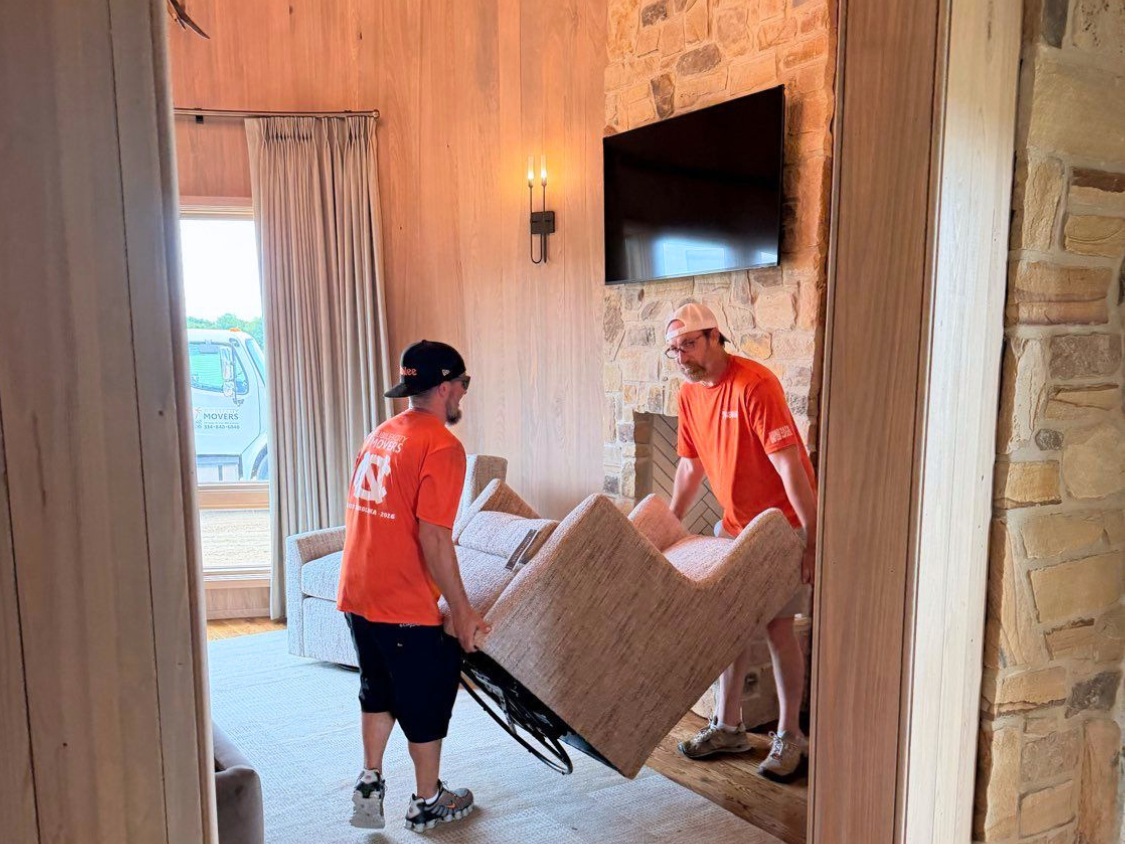
To mitigate the physical risks and logistical challenges associated with heavy and valuable shipments, moving organizations must invest in ongoing employee development and specialized technical training programs. Field technicians must receive comprehensive instruction on how to correctly handle modern, high-value cargo, mastering the specific physical mechanics required to lift heavy objects safely without causing structural damage to the items or the surrounding residential property. This specialized training encompasses everything from the proper disassembly of intricate architectural furniture to the delicate calibration of electronic transport restraints and the secure handling of fine art. By maintaining a highly trained, expertly skilled workforce, a moving company can consistently deliver a premium level of service that successfully reassures clients that their most valuable personal possessions are in highly capable hands.
In tandem with employee training initiatives, technological advancements in specialized moving equipment and mechanical tools have transformed the operations of the relocation sector. Modern moving companies no longer rely solely on basic manual labor; instead, they utilize an array of cutting-edge tools designed to maximize safety and operational efficiency, including battery-powered stair-climbing dollies, hydraulic lift-gates, custom-engineered suspension systems, and heavy-duty crane hoists for upper-floor access. These mechanical tools enable moving crews to transport heavy appliances, stone fixtures, and large instruments with minimal physical strain, reducing workplace injuries or cargo damage. Investing in these mechanical solutions allows industry leaders to optimize operational workflows, reduce transit times, and execute complex relocations that would be impossible using standard equipment.
The convergence of economic factors, technological integrations, and cultural movements is reshaping the relocation sector, increasing heavy, high-value shipments. These ongoing structural shifts demand highly adaptive logistics strategies from relocation providers to meet changing customer expectations and maintain premium service standards. As the transportation industry progresses, relocation companies must actively anticipate future consumer patterns and incorporate modern equipment innovations to sustain their operational advantages. For more information about the services that we offer, reach out to our incredible team at Jubilee City Movers today!