September 28, 2026
Preparing for a move involves much more than putting belongings into boxes. The condition and organization of a home before moving day can influence how smoothly the entire transition unfolds. Thoughtful preparation helps create an environment where belongings can be handled efficiently, important items remain accounted for, and everyone involved understands what needs to leave the home and what should stay behind.
People relocate for many different reasons, and those circumstances often shape how they approach the moving process. According to United Van Lines, the top reasons Americans moved in 2025 were being closer to family (29%), job relocation (26%), and retirement (14%). Regardless of what motivates a household to relocate, preparing the property before residential movers arrive can reduce confusion and make moving day easier to manage.
Organizing Belongings Before Moving Day
Organization is one of the most important parts of preparing a home for a move. When belongings have been reviewed and separated before moving day, it becomes easier to determine what will travel to the new residence and what no longer needs to make the trip. This preparation also gives homeowners a clearer understanding of the volume and types of belongings that will need to be transported.
Certain possessions may require special consideration because of their size, value, fragility, or sentimental importance. Identifying those belongings in advance helps prevent them from becoming mixed with ordinary household items. Personal documents, medications, keys, electronics, valuables, and items needed immediately after arrival may also need to remain readily accessible rather than being packed with belongings that will not be opened right away.
Clear organization can also help residential movers understand the household more efficiently when they arrive. When rooms and belongings have an obvious purpose, there is less uncertainty about what is part of the move. The result is a more orderly environment where the moving team can focus on safely handling and transporting the household’s possessions.
Clearing Pathways Before Moving Day
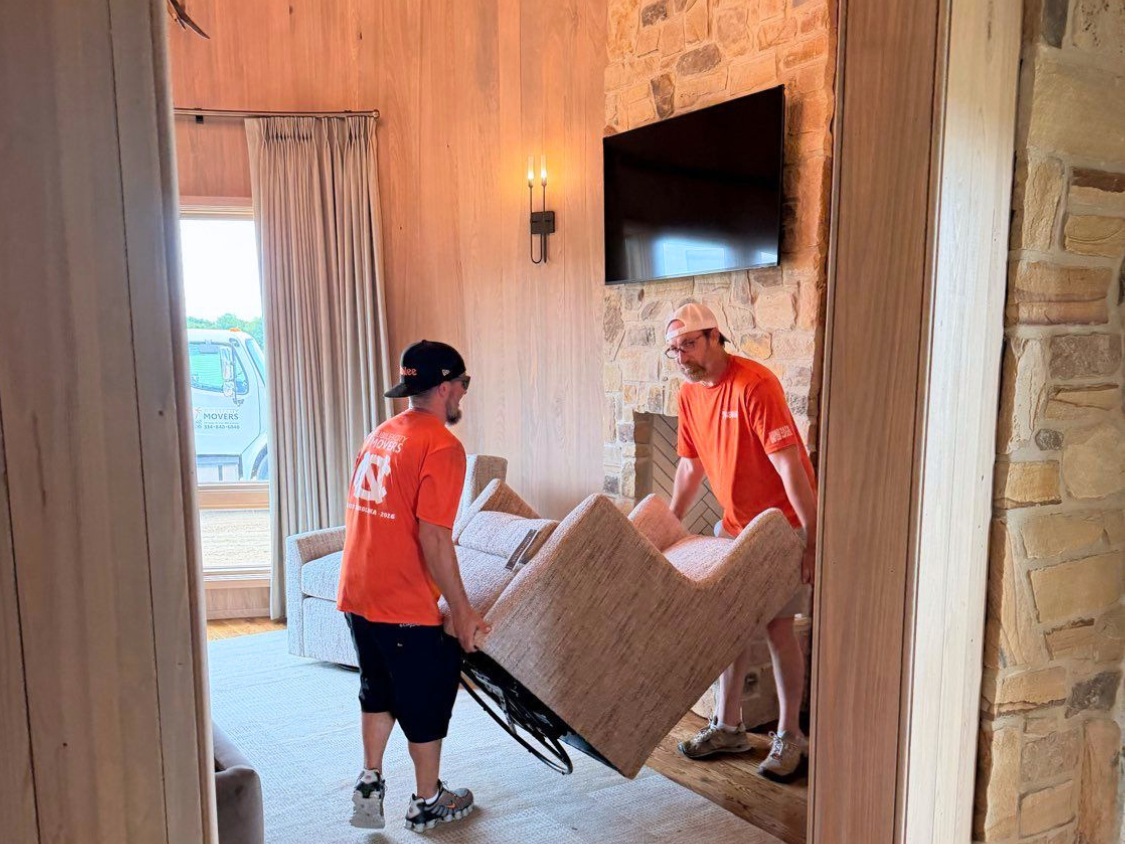
The physical condition of the home is another important consideration. Movers need sufficient room to carry furniture, boxes, and other household items through hallways, doorways, staircases, and entry areas. Clutter in these spaces can interfere with movement and make it more difficult to transport large or awkward belongings.
Entryways deserve particular attention because they become heavily used during a move. Items that normally sit near a front or garage door can create unnecessary obstacles once people begin carrying furniture through the area. The same applies to decorative objects, small furniture pieces, rugs, and other belongings positioned along frequently traveled routes inside the home.
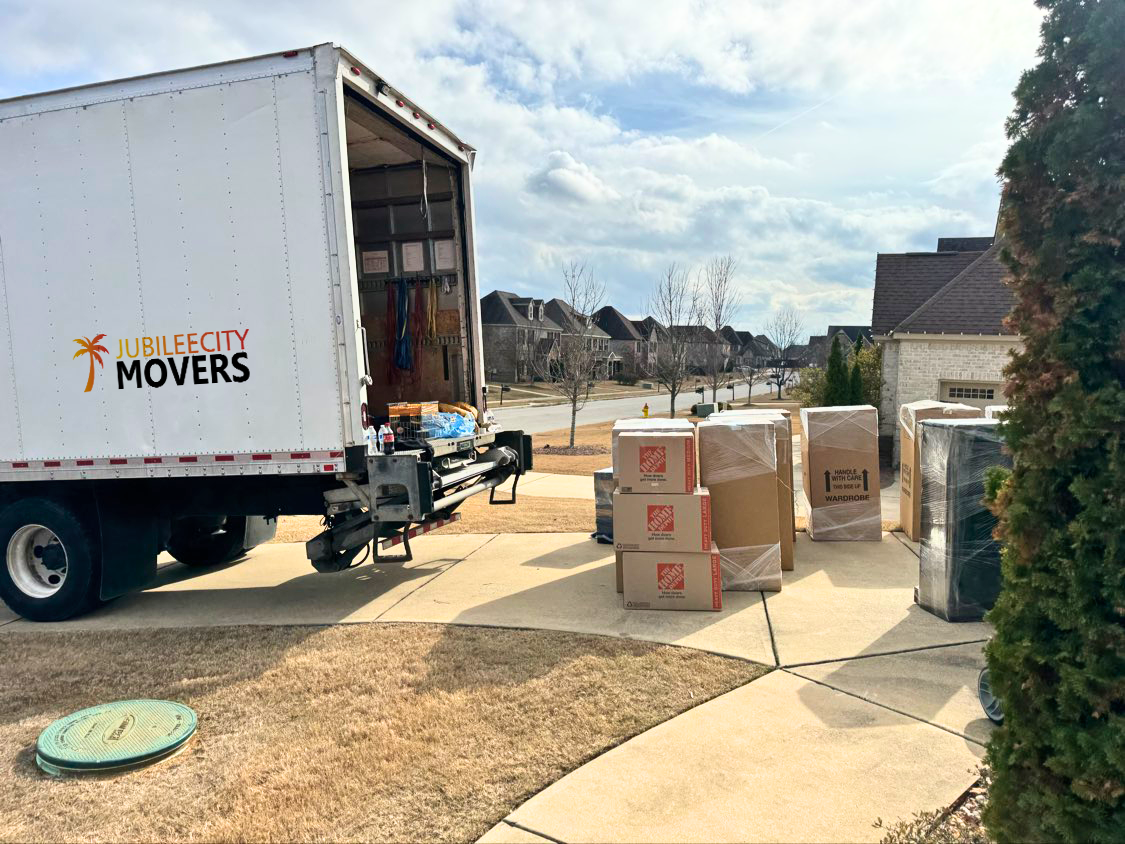
Weather conditions can affect these pathways as well. Rain, dirt, or other outdoor conditions may create slippery or messy surfaces around entrances. Having a clear understanding of the routes that residential movers will use allows homeowners to identify potential concerns before activity begins. An accessible environment supports a smoother flow between the home and moving vehicle while reducing unnecessary interruptions.
Identifying Special Items Before Moving Day
Not every household possession can be treated the same way. Some furniture may be unusually heavy, while artwork, mirrors, antiques, electronics, or delicate decorative pieces may require different handling considerations. Recognizing these items before moving day gives the moving company useful information and helps homeowners avoid unexpected complications.
Large belongings can also present logistical challenges. Furniture that fits comfortably inside a room may not move easily through the doorway, hallway, staircase, or elevator leading out of the property. Similarly, certain buildings may have restrictions related to moving activity, loading areas, parking, or elevator access. These circumstances are easier to address when they are identified before movers arrive.
Communication is particularly important when specialty belongings are involved. Residential movers can work more effectively when they know about unusual, oversized, fragile, or otherwise noteworthy possessions ahead of time. Providing accurate information allows everyone involved to approach moving day with clearer expectations and reduces the likelihood of discovering logistical issues after work has already begun.
Separating Essentials Before Moving Day
A household may be packed and ready to leave while its occupants still need access to important belongings. Clothing, identification, chargers, medications, toiletries, documents, children’s necessities, and other everyday essentials can easily become difficult to locate if they are packed among the rest of the household.
Items associated with the move itself also deserve consideration. Property documents, lease information, moving paperwork, contact details, keys, and other important records may be needed throughout the transition. Keeping these belongings distinguishable from items intended for transport helps prevent important materials from becoming inaccessible at an inconvenient moment.
The same principle applies to belongings that should not travel with residential movers. Homeowners may prefer to personally retain certain valuables, sensitive documents, or necessities. Separating those belongings before moving activity begins makes their status clear and minimizes the possibility that something intended to remain nearby is accidentally loaded with the rest of the household.
Preparing Household Spaces Before Moving Day
Different areas of a home present different moving considerations. Kitchens often contain fragile dishes, small appliances, food products, and numerous miscellaneous objects. Bedrooms contain clothing and personal belongings, while garages, closets, and storage areas may hold items that have not been reviewed recently. Addressing these spaces before moving day can make the overall household easier to manage.
Furniture placement also affects accessibility. Rooms that contain several large pieces may require additional maneuvering space. When the household has already identified which furnishings are moving, there is less uncertainty about what the moving team needs to handle. This clarity is especially useful when some furniture or other belongings will remain with the property.
Preparing individual spaces also provides an opportunity to notice belongings that could otherwise be overlooked. Cabinets, shelves, drawers, attics, closets, outdoor areas, and storage spaces can contain possessions that are easy to miss during a busy transition. A well-prepared home gives residential movers a clearer working environment while helping homeowners maintain awareness of everything associated with the move.
Communicating Expectations Before Moving Day
Good communication can prevent many moving-day misunderstandings. Homeowners should have a clear understanding of the services included in their moving arrangement, along with any responsibilities they need to address before the scheduled arrival. Questions about particular belongings, access conditions, timing, or property requirements are generally easier to resolve before moving day than during active loading.
Changes should also be communicated when they affect the scope of the move. A household may discover additional belongings, decide that certain furniture will remain behind, or encounter an access issue that was not previously anticipated. Sharing relevant information gives the moving company an opportunity to understand the current situation rather than relying on outdated expectations.
Clear communication benefits everyone involved. When residential movers arrive with accurate information about the property and belongings, the household can spend less time resolving avoidable questions. This creates a more coordinated transition and allows attention to remain on safely moving possessions from one residence to another.
Creating a Smoother Transition Before Moving Day
Moving day represents the point when weeks or months of planning finally become physical action. By that stage, household organization, accessibility, essential belongings, specialty items, and communication should already have received attention. Preparation does not eliminate every unexpected circumstance, but it can significantly reduce preventable confusion.
A prepared home also makes it easier to maintain perspective during a busy transition. Instead of making numerous decisions while belongings are being carried out, homeowners can focus on final property matters and the transition to the new residence. Clear expectations also help family members understand what is happening and where important belongings are located.
Ultimately, working with residential movers is only one part of the relocation process. The preparation completed beforehand helps connect the planning stage with moving day itself. When the home is organized, accessible, and ready for professional handling, the move can begin with greater clarity and continue with fewer unnecessary disruptions.
Planning Your Move With Professional Support
Preparing a home in advance can make the transition from one residence to another more organized and manageable. At Jubilee City Movers, we understand that every household and relocation comes with different belongings, priorities, and logistical considerations. Contact us to discuss your upcoming move and learn how our team can support your relocation from the initial planning stage through moving day.