November 25, 2026
Moving a business is different from moving a house. You're dealing with computers, confidential files, office furniture, specialized equipment, and employees who need to get back to work quickly. Every hour of downtime can affect productivity, customer service, and revenue. Whether you're moving an office in downtown Montgomery, a medical practice in East Montgomery, or a contractor's office near Maxwell-Gunter, choosing the right commercial movers can make a significant difference. Before signing an agreement, it's important to ask questions about experience, planning, pricing, and equipment protection. Here are seven questions to consider before hiring a moving company and how Jubilee City Movers approaches business relocations throughout Montgomery and the River Region.
1. Have You Moved Businesses Like Ours?
Not every business relocation involves the same challenges. Offices, medical clinics, retail spaces, and warehouses have different equipment, layouts, and operational requirements. Some locations have elevators, loading docks, restricted parking, or building regulations that affect the moving process. Others contain server rooms, confidential records, or specialized machinery requiring additional attention. Before hiring a moving company, ask whether its team has experience relocating businesses similar to yours. Understanding a company's background can help you determine whether it's prepared to handle your specific needs.
Ask prospective commercial movers for examples of similar relocations and references from local business clients. Find out whether they've handled moves involving multiple departments, specialized equipment, or tight deadlines. At Jubilee City Movers, we've helped businesses across Montgomery and the River Region relocate, and we're happy to discuss projects similar to yours. Our team understands that every business has different priorities, and we work with customers to identify the challenges that could affect their move.
2. Will You Build a Plan Around Our Business?
A successful commercial relocation starts with a plan that reflects your company's operations. Before moving day, ask whether the company offers an on-site or video walkthrough of your current and new locations. This assessment can help identify furniture arrangements, equipment requirements, building access restrictions, and transportation needs. It's also important to discuss which departments should move first and whether the relocation should happen all at once or in stages. A customized approach helps businesses prepare for potential challenges instead of addressing them unexpectedly.
Ask what your employees will need to pack and which responsibilities the moving crew will handle. You should also discuss labeling procedures, workstation preparation, and how important equipment will be prioritized. At Jubilee City Movers, every commercial move starts with a conversation about your layout, your timeline, and what can't go down. We want to understand how your business operates so we can help develop a moving strategy that supports your schedule and organizational needs.
3. What Exactly Is Included in the Estimate?
A low moving estimate might seem appealing, but it doesn't always reflect the complete cost of relocating a business. Before accepting a proposal, ask for a detailed explanation of what's included. Find out whether the estimate accounts for stairs, elevators, long distances between the building and moving truck, and other accessibility challenges. You should also ask whether packing materials, furniture disassembly, and reassembly are included or require additional payment. Understanding these details can help prevent unexpected expenses.
When comparing commercial movers, discuss charges associated with heavy equipment, specialty items, scheduling changes, and unexpected delays. Request a written estimate that clearly identifies the services you're receiving and any circumstances that could affect the final price. Comparing companies based solely on their initial quotes may overlook important differences in service. Instead, consider the overall value, available assistance, and how thoroughly each company addresses your business's requirements. Clear pricing expectations make it easier to establish a realistic relocation budget.
4. How Will You Protect Our Equipment and Records?
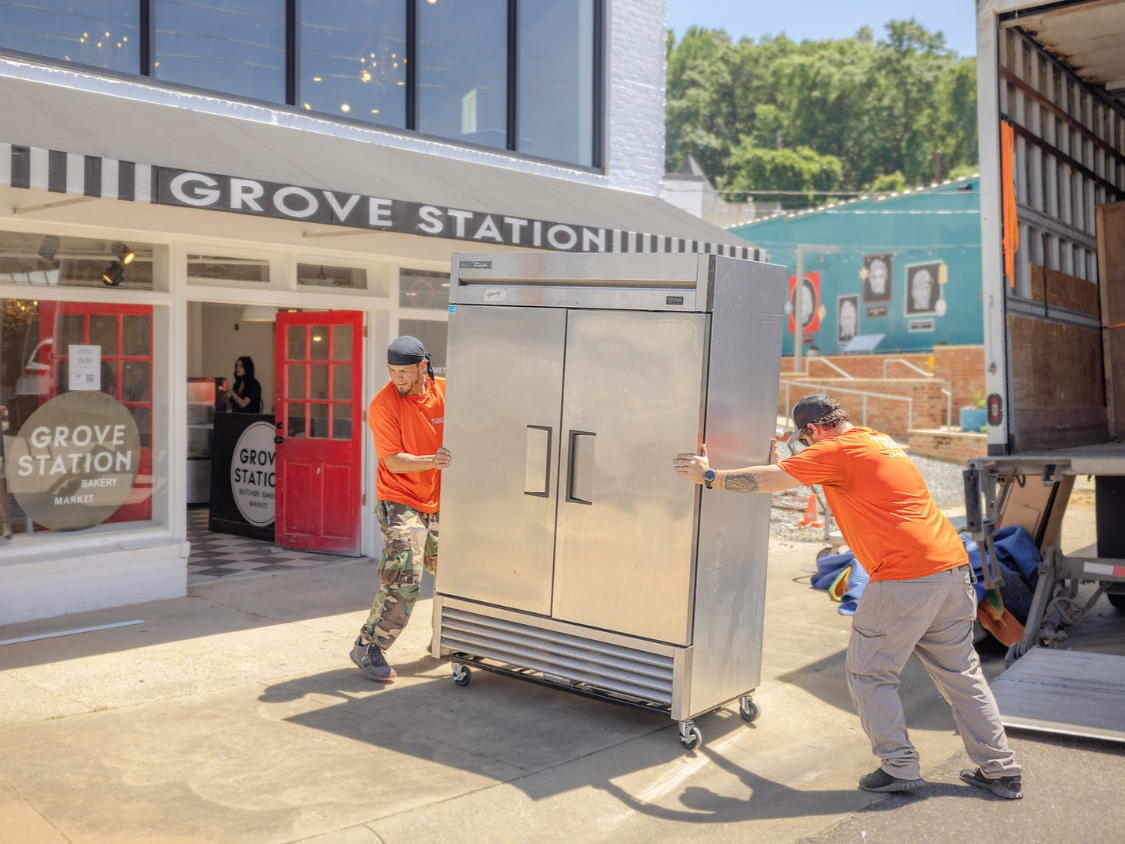
Commercial moves often involve expensive technology, sensitive documents, and equipment that employees rely on every day. Computers, monitors, printers, and office electronics require careful handling to reduce the risk of damage. Ask how the moving crew wraps, labels, loads, and transports these items. You should also determine which belongings should remain with your staff, particularly confidential files, important documents, and devices containing sensitive business information. Establishing clear handling procedures before moving day helps protect valuable assets.
Another important question involves valuation coverage. Valuation coverage establishes the mover's level of financial responsibility if belongings are lost or damaged during transportation. However, valuation coverage isn't the same as insurance, so it's important to understand the differences and review the available options. Ask about coverage limitations, claims procedures, and any additional protection your business might need. Discussing these matters with commercial movers before signing an agreement can help you make informed decisions about protecting equipment, furniture, and other important belongings.
5. How Will You Keep Our Downtime to a Minimum?
Every hour your business remains closed or operates with limited resources can affect employees and customers. Ask whether the moving company offers evening or weekend scheduling to reduce interruptions during normal business hours. Some organizations may benefit from moving departments in phases, allowing certain operations to continue while other areas are relocated. You should also discuss the estimated timeline for packing, loading, transportation, and unloading. Understanding these scheduling details helps your team prepare for temporary changes in daily operations.
Experienced commercial movers should also coordinate important logistics with building management. This may involve reserving elevators, arranging loading dock access, and confirming parking availability for moving vehicles. Ask whether essential equipment and workstations can be unloaded and positioned first so employees can resume their responsibilities sooner. Prioritizing reception areas, computers, and other critical resources can support a smoother transition. A well-organized schedule allows your company to focus on getting back to business instead of dealing with unnecessary moving complications.
6. What Happens if Something Goes Wrong?
Even carefully planned moves can encounter unexpected challenges. Severe weather, traffic delays, equipment problems, and restricted building access can interfere with the original schedule. Before hiring a moving company, ask how its team responds when circumstances change. Find out who will serve as your main contact on moving day and how quickly you'll receive updates about delays or other concerns. Having a clear communication process can make unexpected situations easier to manage and help your business adjust its plans.
It's also important to understand how the company handles damaged belongings, missing inventory, and related claims. Ask about reporting procedures and what documentation may be required if an issue occurs. At Jubilee City Movers, we believe communication is an essential part of a successful relocation. You'll know when our crew is on the way and how the move is progressing, so you're never left guessing. Our goal is to keep you informed throughout the process and help your business navigate moving day with greater confidence.
7. Will You Help Set Up the New Space?
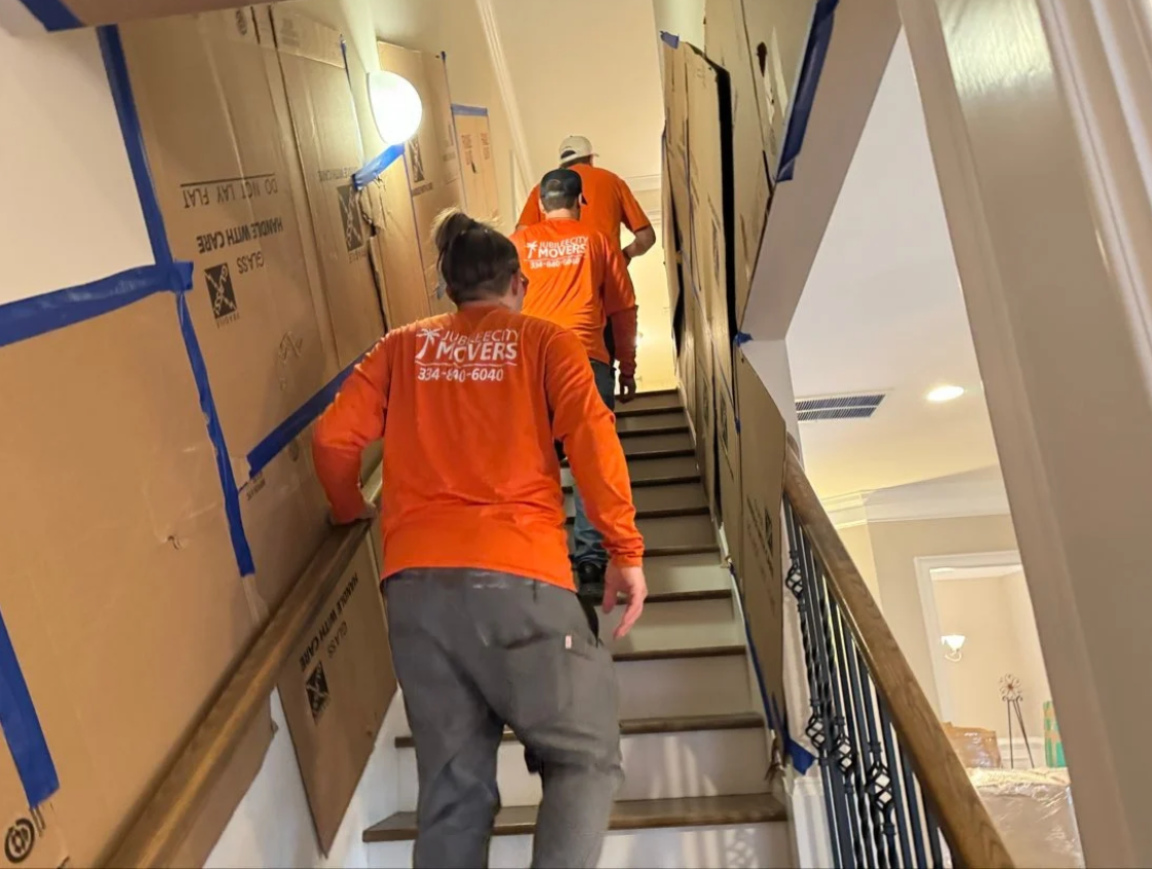
The moving process doesn't end when the truck is empty. Furniture, equipment, and supplies must reach their intended locations before employees can settle into their new workspaces. Ask whether the moving crew will place furniture and boxes according to your floor plan. You should also clarify whether desk and workstation reassembly is included in your moving arrangements. Labeling belongings by department, room, or employee can make unloading more organized and reduce unnecessary movement throughout the building.
Discuss whether the moving company can unload belongings in the order your business needs them. Reception areas, essential workstations, and frequently used equipment may need to be addressed before storage rooms or less critical spaces. Ask whether the crew will complete a final walkthrough with you to confirm that items have reached their designated locations. Coordinating these details with commercial movers can help employees transition into their new environment and reduce the time spent organizing the workplace after the relocation.
Asking these seven questions before hiring a moving company can help you compare services, understand potential costs, and prepare for a smoother business relocation. From protecting sensitive equipment to minimizing downtime and organizing your new workspace, thoughtful planning makes a difference. Whether you're relocating an office, medical practice, retail space, or another commercial operation, choosing experienced commercial movers can help simplify the transition. For commercial moving in Montgomery, Prattville, Wetumpka, Millbrook, and the River Region, call Jubilee City Movers at (334) 840-6040 or request your free estimate at jubileecitymovers.com. Let's make your next move one worth celebrating.